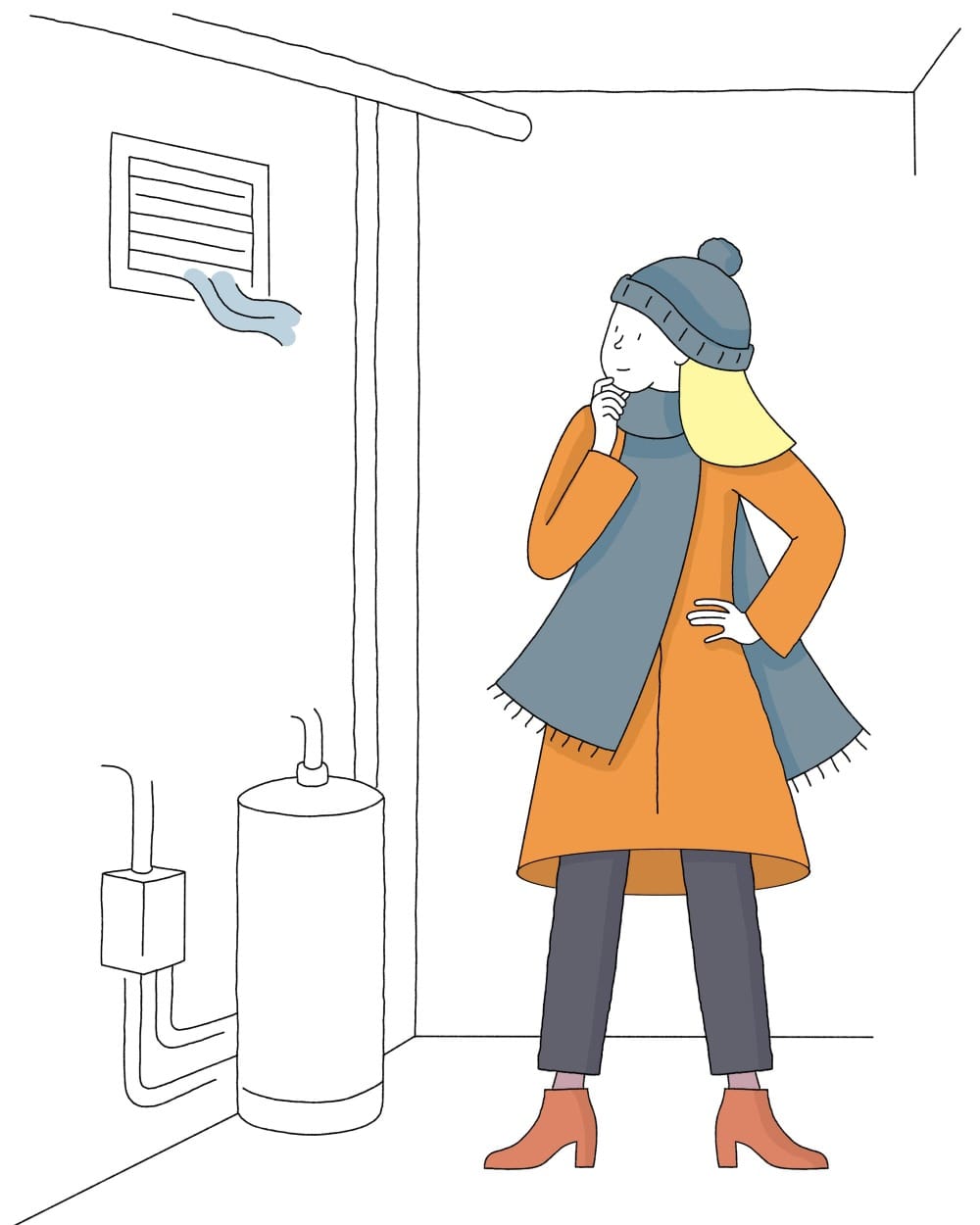
The Secret Life of Your Home: What Is Happening Beneath the Surface
This is where the Secret Life of Your Home series begins.
Every home has a secret life.
It is the part you do not see during your daily routines. The spaces behind the walls, beneath the floors, and above the ceilings. Most of the time, everything is working as it should. When something goes wrong, however, it often starts quietly and long before there is an obvious sign.
Understanding what is happening beneath the surface of your home can help you avoid costly surprises, protect your investment, and make more informed decisions, whether you are planning to sell or simply maintaining the home you live in.
A Home Is a Living System
Homes are not static structures. They respond to weather, seasons, and everyday living.
Moisture moves through materials. Temperature changes create condensation. Air flows through wall cavities and attics. Small openings allow pests to enter. Radon gas can move up from the ground below. These conditions do not mean something is wrong. They are part of how homes function over time.
The challenge is that many issues develop slowly and out of sight.
Common Issues That Often Go Unnoticed
Some of the most impactful home issues tend to remain hidden until they become more serious.
Moisture and mold can develop inside walls, under flooring, or in attics long before staining or odors appear. Pest activity often begins in basements, crawl spaces, or wall cavities where evidence is not immediately visible. Radon gas is undetectable without testing and can vary widely from one home to the next, even within the same neighborhood. Ventilation problems can trap moisture and affect indoor air quality, contributing to longer-term concerns.
By the time these issues are obvious, repairs can be more involved and more expensive.
Why This Matters Even If You Are Not Selling
It is common to assume these concerns only matter when preparing to sell a home. In reality, understanding the hidden systems of your home is just as important for everyday ownership.
Whether you are selling or simply maintaining your home, there are key things worth paying attention to over time. Identifying concerns early can help reduce repair costs, limit surprises, and support a healthier living environment.
Even if selling is not on your radar, knowledge puts you in a stronger position whenever decisions about your home arise.
Knowing What to Watch For
Homeowners do not need to be experts, but awareness makes a difference. Persistent humidity, musty odors, uneven temperatures, or recurring pest activity can all be signs that something is happening behind the scenes.
Learning what is normal and what deserves a closer look allows you to respond thoughtfully rather than reactively.
Explore the Secret Life of Your Home
This post opens the Secret Life of Your Home series - a year-long journey through every part of your home, one topic per month.
We start in January beneath the surface, looking at the hidden systems most homeowners rarely think about. From there the series moves through windows, basements, and onward through the house, arriving at December with a complete picture of what it means to truly know your home.
Each month we cover what to watch for, why it matters, and when it is worth investigating further, with a focus on practical, Vermont homeowner guidance you can actually use.
Subscribe below to follow the full journey. A new theme opens every month.
After 20 years helping Vermont buyers and sellers navigate everything from what to watch for to when to walk away, I've learned that the right information at the right time makes all the difference. Whether you're thinking about buying, getting ready to sell, or just want an honest conversation before making a move - let's talk.
Call: 802-846-8813
Email: nancy@asknancywarren.com
Visit asknancywarren.com for listings, resources, and more.
Follow @asknancywarren for real estate and home insights
The information in this post is based on 20 years of personal experience in Vermont real estate and is intended for educational purposes only. It should not be considered legal, environmental, or professional inspection advice. Always consult a licensed inspector, contractor, or relevant professional for guidance specific to your property and situation.