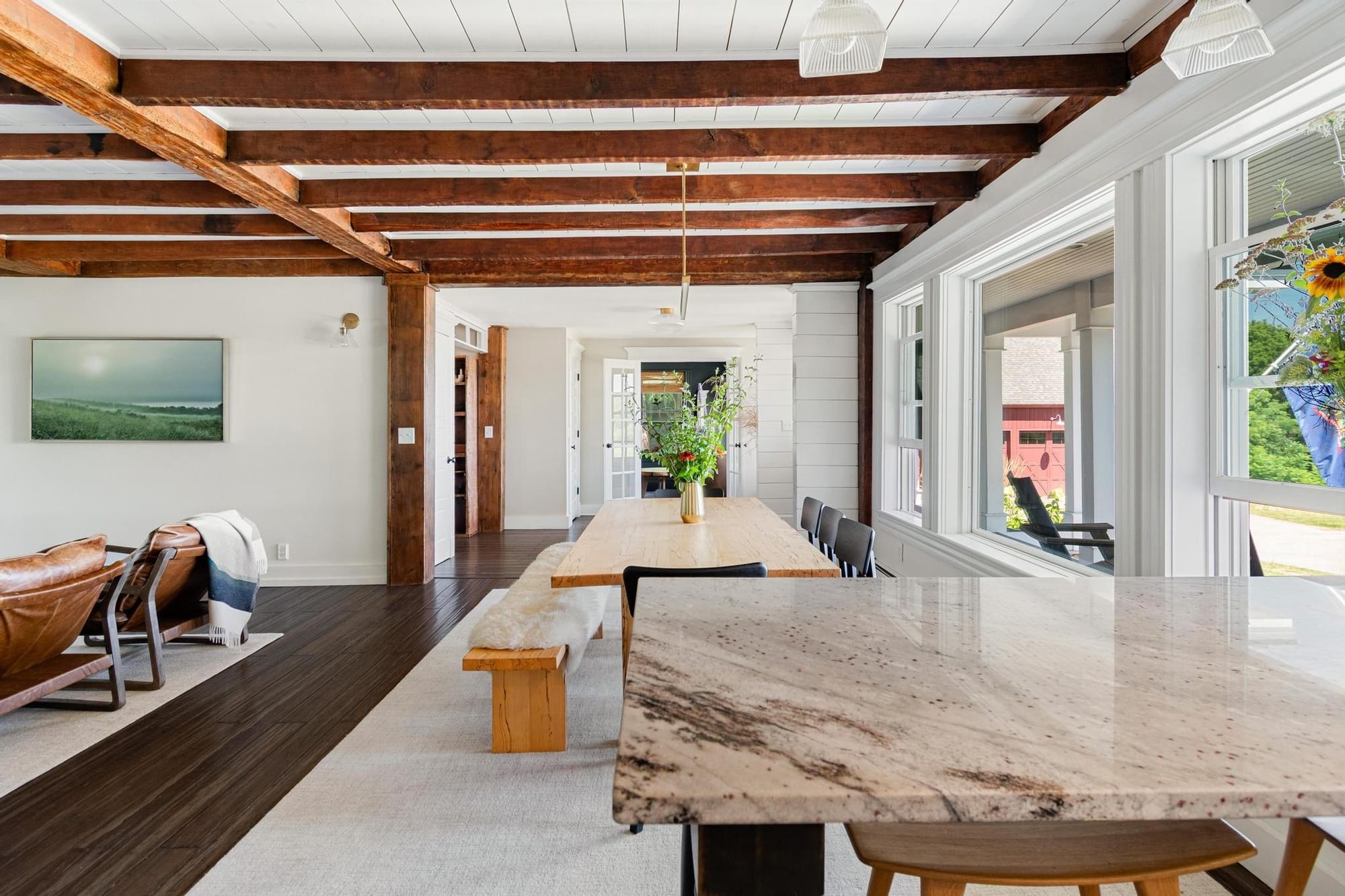
Cooling in Vermont: Why Many Older Homes Don't Have AC and What Your Options Are
Many older Vermont homes were built without air conditioning. Here's why, how warmer summers have changed the equation, and what your best cooling options are today.
Not everything on your property walk is cause for alarm. Some is surface. Some is telling you something deeper. Here's how Vermont homeowners can tell the difference.
Vermont winters are unforgiving. Learn what annual heating system inspections cover — boilers, furnaces, heat pumps — why they matter for safety and efficiency, and what home buyers should ask before closing.
After a Vermont winter, walk your property before problems grow. This guide covers what to look for at ground level and up top — drainage, frost heave, fascia, and more.
Home inspections aren't just for buyers and sellers. Vermont homeowners benefit from routine checks on furnaces, septic systems, and chimneys to stay ahead of costly repairs year-round.
Sump pumps are common in Vermont homes — not a red flag, just smart water management. Here's what to know when buying or owning a home with one.
After a home inspection, asking for a closing credit instead of repairs gives buyers control over who does the work, how it's done, and when — often leading to better long-term results.
What Vermont home buyers need to know about private wells, shared wells, water testing, and treatment systems before closing on a rural property.
Your 72-page inspection report just arrived. Here's how to read it without panicking, what findings actually matter, and how to use it long after closing day.
Smart Vermont sellers are prepping before the inspection, fixing what they can, disclosing the rest, and removing variables that could derail a deal.
Some basement moisture is normal in Vermont. Knowing the difference between seasonal dampness and a real warning sign is what matters. Here's what to watch for.
Fieldstone, concrete block, or poured concrete. Vermont homes sit on very different foundations. Learn what each type means for buyers, maintenance, and moisture.