Radon Mitigation in Vermont: What to Expect and How to Fix It
If your radon test came back elevated, the most important thing to know is this: it's fixable.
Radon mitigation is straightforward, effective, and more affordable than most homeowners expect. Whether you discovered elevated levels during a home purchase or after testing a home you've lived in for years, here's what the process looks like and how to move forward.
What Is the Action Level?
The EPA recommends taking action when radon levels reach 4 picocuries per liter (pCi/L) or higher. Levels between 2 and 4 pCi/L are worth monitoring, and mitigation is still worth considering in that range. The Vermont Department of Health offers additional guidance specific to Vermont homes and geology.
How Mitigation Works
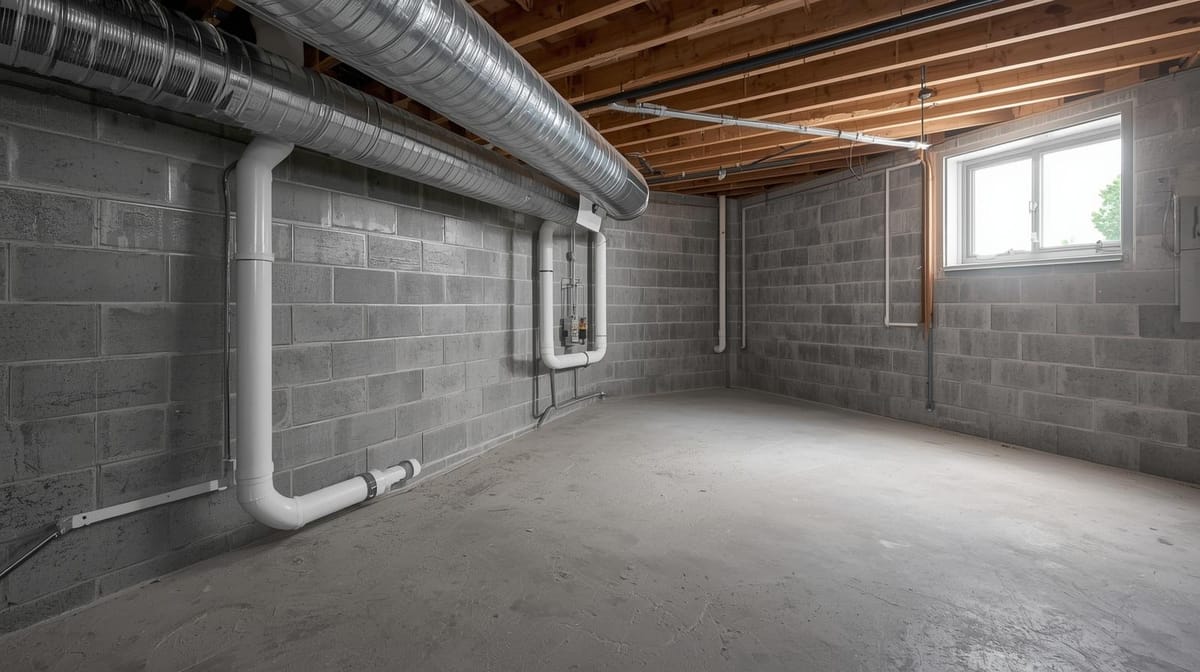
The most common and effective solution is a sub-slab depressurization system. A licensed contractor installs a pipe through the foundation floor and connects it to a fan that continuously draws radon from beneath the slab and vents it safely outside before it can enter your living space.
The system runs quietly and continuously. Most homeowners barely notice it's there. Installation typically takes a single day, and post-mitigation testing confirms the results, usually showing a significant reduction in radon levels.
In some cases, sealing foundation cracks or improving crawlspace ventilation is part of the solution as well. A qualified contractor will assess your home and recommend the right approach.
What Does It Cost?
Mitigation system installation in Vermont typically ranges from $800 to $2,500 depending on the size and construction of the home, the complexity of the installation, and the contractor. That's a manageable investment for the peace of mind and health protection it provides.
Finding a Qualified Contractor
It's important to work with a certified radon mitigation professional. The National Radon Safety Board maintains a searchable directory of certified contractors and is a reliable starting point for finding a qualified professional in Vermont.
If you're not sure where to start or would like a local vendor recommendation, feel free to reach out. We're happy to point you in the right direction based on your area and situation.
After Mitigation
Once a system is installed, follow-up testing confirms it's working as expected. The Vermont Department of Health recommends retesting every two years, or any time significant changes are made to the home such as renovations, foundation work, or major weatherization upgrades.
Radon mitigation isn't a one-time fix you forget about. It's a simple, low-maintenance system that protects your home and your family for the long term.
The information in this post is based on 20 years of personal experience in Vermont real estate and is intended for educational purposes only. It should not be considered legal, environmental, or professional inspection advice. Always consult a licensed inspector, contractor, or relevant professional for guidance specific to your property and situation.
Ready to Talk Vermont Real Estate?
After 20 years helping Vermont buyers and sellers navigate everything from what to watch for to when to walk away, I've learned that the right information at the right time makes all the difference. Whether you're thinking about buying, getting ready to sell, or just want an honest conversation before making a move - let's talk.
Call: 802-846-8813
Email: nancy@asknancywarren.com
Visit asknancywarren.com for listings, resources, and more.
Follow @asknancywarren for real estate and home insights